Archive
What the 2003 directory listed
Four short columns of names. Read as a snapshot, the list says more about the shape of the network than any manifesto did.
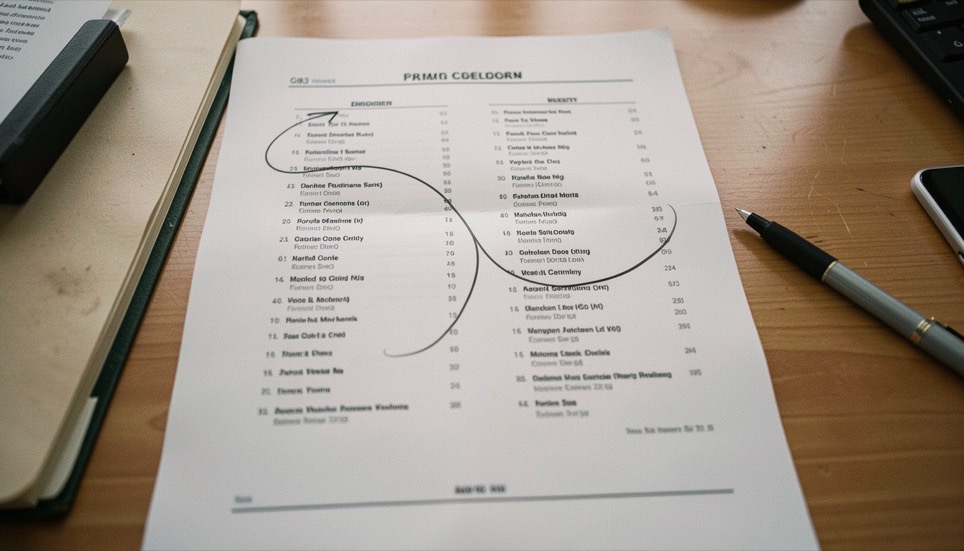
The third page of the programme was a list. jabberpowered.org/directory.html named the products and services that were, in the wording of the page itself, JabberPowered. The archived 2003 capture sorts them into four groups: companies, clients and software, servers, and services or websites. It is a small document, and a useful one, because it shows what an open protocol looked like when it was still young.
What the four columns contained
Under companies, the list carried a handful of firms building on the technology, including Jabber, Inc. itself. Under clients and software came the desktop applications and libraries of the period. Under servers came a mix of public services and institutional deployments, jabber.org among them, alongside national community servers. Under services and websites came the community sites: directories, a studio for hosting projects, a French language community site, and others.
What the shape of the list tells you
Three things stand out. The first is how few commercial names there were compared with community ones: the balance sat firmly on the side of volunteers. The second is that servers were listed by name at all. On a federated network the server is a visible, chooseable thing, which is not true of a closed messenger, and a directory of servers is only possible because federation is the default. The third is that clients and servers appear as separate categories, from different authors, which is the practical meaning of an open wire protocol.
Why we do not reprint the list as a directory
A twenty year old list of software is a historical document, not a recommendation. Several of those projects have stopped; others have changed hands, changed licence or changed name. Republishing the names as if they were current would be the least useful thing this page could do. What survives from the list is the structure, and that structure is still how the network works.
Where to look for live software
The XMPP Standards Foundation maintains a current list of clients, servers and libraries, kept up to date by the projects themselves, and that is the right starting point today. On this site, the three servers people most often deploy are compared in the essay on ejabberd, Prosody and Openfire, and the questions worth asking about a client are collected in what to check before you install one.
The other archived pages
The rules that governed entry to this list are on the guidelines page, and the artwork it referred to is described on the logos page.
Source: Internet Archive capture of jabberpowered.org/directory.html, June 2003. Names are quoted as they appear in that capture.